Suyang Site
Introduction
The Suyang site, located in Yiyang county, Luoyang, Henan province, is a significant archaeological site in China that encapsulates a rich history spanning from the Yangshao to the Longshan cultures, dating back approximately 6,000 to 4,000 years. This site, covering an extensive area of about 630,000 square meters, served as a central settlement in the ancient He-Luo area.
The findings from the Suyang site provide crucial insights into the social complexity and the development of civilization in this region, illustrating the transformative journey of early Chinese cultural spheres. The artifacts unearthed, including pottery, stone implements, jade, bone artifacts and remnants of flora and fauna, underscore the cultural and historical wealth that this site encompasses.
History
The historical significance of the Suyang site is grounded in its timeline, which stretches from the Yangshao to the Longshan cultures, representing a period of substantial cultural evolution in ancient China. The site offers a unique glimpse into the transition and development phases of these prehistoric cultures. The Yangshao Culture, known for its painted pottery and early agricultural practices, marks the initial phase of occupation at the site. As time progressed, the Longshan Culture emerged, characterized by advancements in social organization, technology and burial practices. This transition highlights a period of increased social stratification and complexity, as evidenced by the large tomb complex discovered at the site. The Suyang site, therefore, stands as a testament to the dynamic cultural transformations that occurred in the central plains of China.
Archaeological Excavations
Major Discoveries
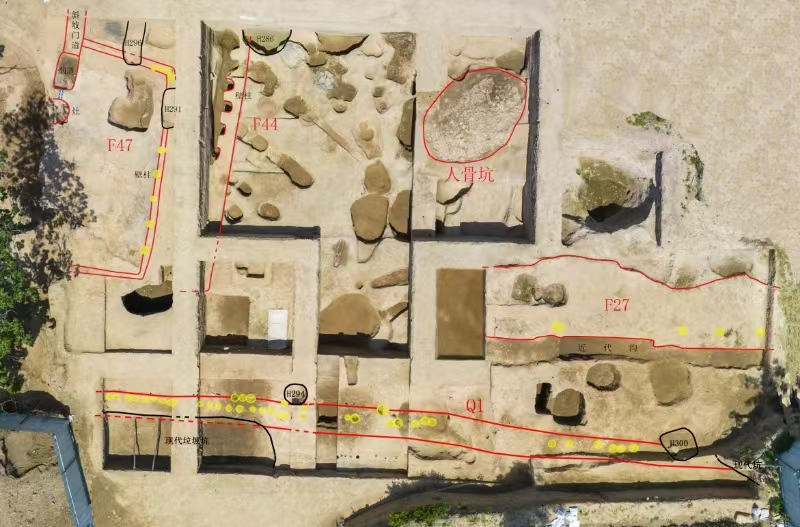
Recent archaeological excavations at the Suyang site have revealed a large tomb complex that dates back approximately 4,500 years, during the transition from the Yangshao to the Longshan cultures. This extraordinary find consists of over 300 tombs, which are significant for understanding the burial systems and social structures of prehistoric China. The tombs, laid out in a rectangular arrangement and covering an area of about 15,000 square meters, provide insight into the burial customs and social hierarchies of the time. The discovery of these tombs, along with the remains of ten individuals, offers valuable clues about the cultural and societal norms that prevailed during this influential period in Chinese history.
Excavation Techniques
The excavation process at the Suyang site has been meticulously carried out by the Luoyang Municipal Institute of Archaeology since early 2021. The excavation techniques employed involve systematic stratigraphic digging, allowing archaeologists to uncover the layers of history embedded within the site. This method ensures careful documentation of the findings and maintains the integrity of the site.
Advanced technologies, such as ground-penetrating radar and 3D scanning, have been utilized to map out the tomb complex and other subsurface features, facilitating a comprehensive understanding of the site's archaeological context. These techniques are crucial in preserving the site's historical narratives while enabling researchers to piece together the cultural and social dynamics of the ancient inhabitants.
Cultural Significance
The Suyang site holds immense cultural significance as it provides a window into the early cultural sphere of China, particularly in the He-Luo area. The artifacts and structural remains discovered offer a wealth of information about the daily lives, beliefs and social organization of the people who inhabited the region thousands of years ago. The transition from the Yangshao to the Longshan cultures marks a period of notable cultural evolution that laid the foundation for subsequent Chinese civilizations. The site's findings contribute to a broader understanding of the intricate tapestry of China's cultural heritage, highlighting the region's role in the development of early Chinese civilization.
Artifacts and Findings
Pottery
Pottery is among the most notable artifacts unearthed at the Suyang site, offering insights into the technological advancements and artistic expressions of ancient cultures. The pottery discovered ranges from simple utilitarian vessels to intricately decorated items, reflecting the evolution of pottery techniques over the centuries. The painted designs and motifs on some of the pottery pieces are characteristic of the Yangshao culture, showcasing the artistic skills and cultural expressions of the time. These findings not only highlight the functional aspects of pottery but also its role in ritualistic and social contexts.
Tools and Implements
The array of stone, jade and bone tools and implements found at the Suyang site underscores the technological ingenuity of its ancient inhabitants. These artifacts reveal the resourcefulness and adaptability of the people as they harnessed available materials to create tools for agriculture, hunting and daily life. The craftsmanship evident in these implements provides insights into the technological advancements that characterized the transition from the Yangshao to the Longshan cultures. Each tool embodies the practical needs and sophisticated skills of the people, offering a tangible connection to their way of life.
Preservation Efforts
The preservation and conservation efforts at the Suyang site are critical to safeguarding its historical and cultural heritage for future generations. Concerted efforts are being made to protect the site from environmental and human-induced threats, ensuring the longevity of its archaeological treasures. Conservation strategies include stabilizing excavated structures, employing protective coverings for exposed artifacts and implementing site management plans that limit access to sensitive areas.








